How Prop Money Is Used in Film Productions: Camera Tricks, Lighting & Set Design
Discover the technical artistry behind on-screen currency in modern cinema—from stacking techniques and camera angles to lighting calibration and slow-motion flutter.
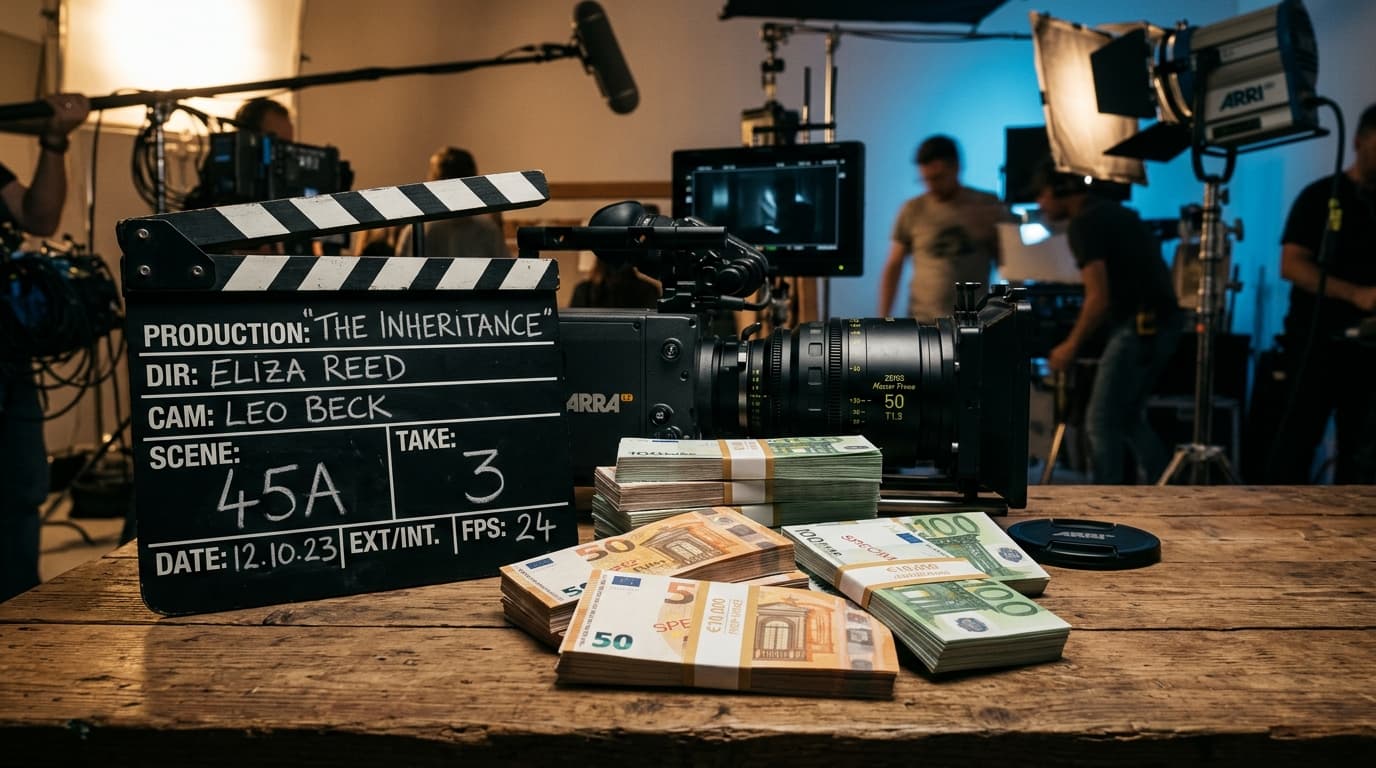
The Art of On-Screen Currency in Modern Cinema
Few props in modern cinema carry as much narrative weight as cash. Whether it is an extortion payoff sitting on a mahogany table, a high-stakes poker pot in Monte Carlo, or a getaway car trunk stuffed with ransom bundles, paper currency immediately establishes stakes, motive, and scale.
Yet capturing cash on camera is notoriously difficult. Genuine paper currency is illegal to use in large uncounted quantities on working sets, creates catastrophic security liabilities, and reflects harsh studio lighting in ways that ruin digital sensor balance. This is why professional art directors and property masters rely on precision-manufactured European prop money.
Overcoming Specular Glare on Digital Cinema Sensors
Modern cinema cameras—such as the ARRI Alexa 35, RED V-Raptor, and Sony Venice 2—boast dynamic ranges exceeding 17 stops. While this allows cinematographers to capture nuanced shadow roll-off, it poses a severe challenge when dealing with glossy paper stocks.
Standard commercial printing papers reflect specular highlights from powerful key lights, LED panels, and Fresnel lamps. On camera, this creates blown-out white patches where architectural engravings and numerals should be visible.
To overcome this, professional film prop currency utilizes 120gsm high-opacity uncoated bond paper treated with a matte diffusion seal. This microscopic texture scatters incoming light rather than bouncing it directly into the camera lens, preserving deep contrast and rich color fidelity across €20 blue, €50 orange, and €100 emerald green.
Layering and Stacking Techniques for Bank Vaults and Briefcases
When art departments need to simulate millions of Euros in bank vaults or flight cases, standard practice among European prop masters is careful layering. In wide establishing shots, dense rows of strapped 100-note stacks are arranged on custom-cut EVA foam risers, giving the illusion of immense depth without unnecessary weight.
However, for scenes where actors interact directly with the cash—rifling through notes, lifting stacks to inspect them, or opening cases live on camera—every stack must feature full double-sided printed notes from top to bottom. Using cardboard filler blocks in active takes risks catastrophic continuity errors if an actor grabs an imperfect bundle.
Paper Weight and Aerodynamics for Slow-Motion Stunts
For explosive bank robberies, crash scenes, or slow-motion shootouts filmed at 120fps or higher, banknote paper weight is paramount. Cheap 80gsm lightweight paper clumps together, tumbles erratically, or sticks in pneumatic air cannons due to static charge.
At 120gsm, specialized prop bond paper offers the ideal aerodynamic drag coefficient. As air cannons detonate or bags rupture, individual notes flutter with graceful, realistic resistance, creating the iconic cinematic snowstorm of floating European currency that directors crave.
Featured in this Guide
Recommended Prop Currency for this Application
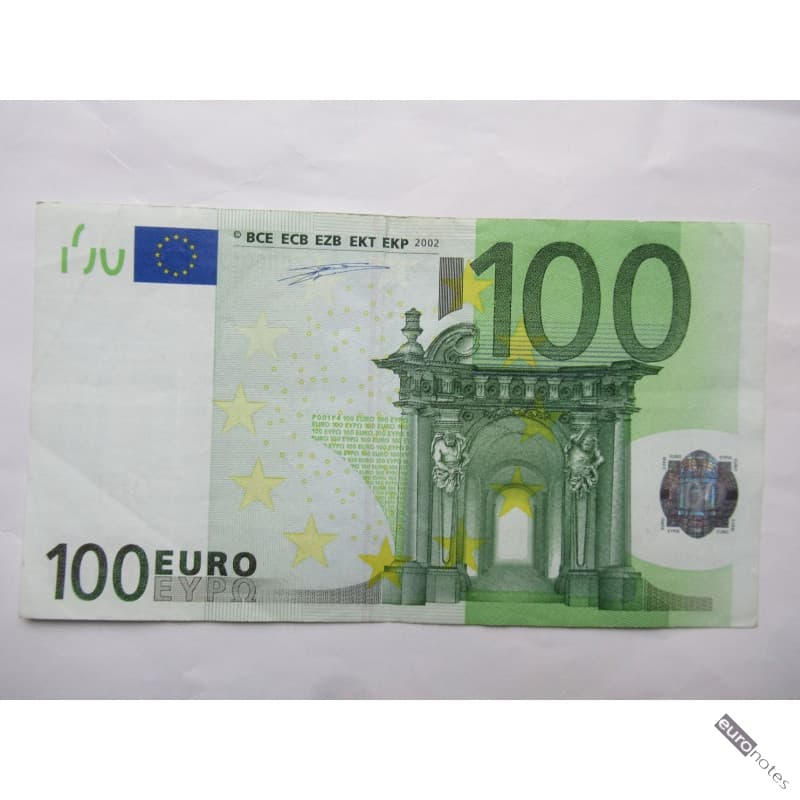
€100 Euro Banknote (AAA+ Grade)
100% quality grade AAA+ 100 Euro notes featuring gravure/intaglio printing, watermarks, security thread, see-through register, special foil elements, iridescent color-shifting stripes, and unique serial numbers.
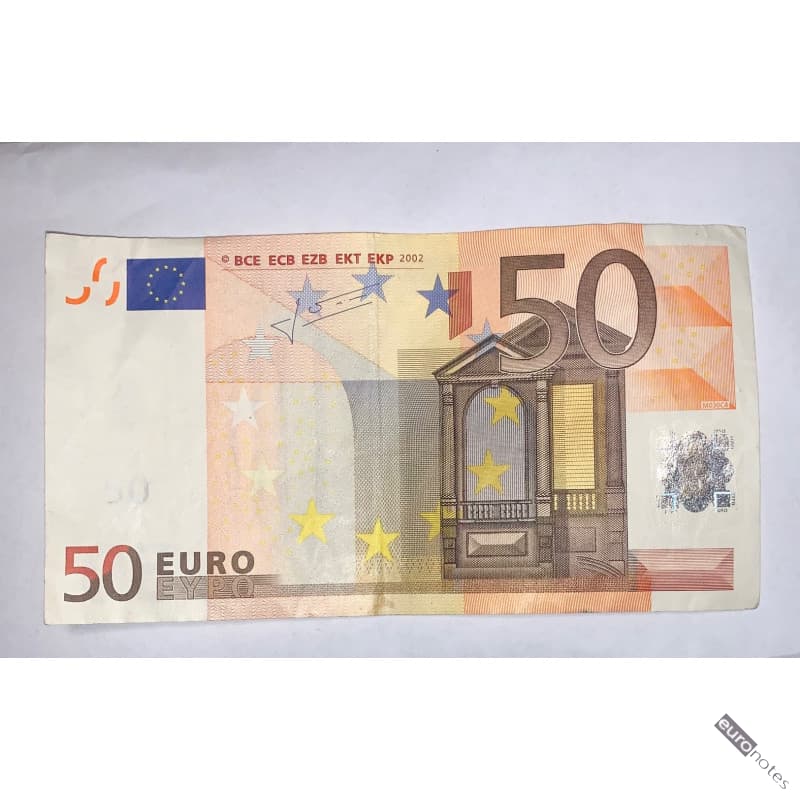
€50 Euro Banknote (AAA+ Grade)
Experience our top quality 50 Euro banknotes with impressive AAA+ quality grade. Features intaglio printing, unique watermarks, security thread, transparent register, special foils, iridescent color-changing stripes, and varied serial numbers.
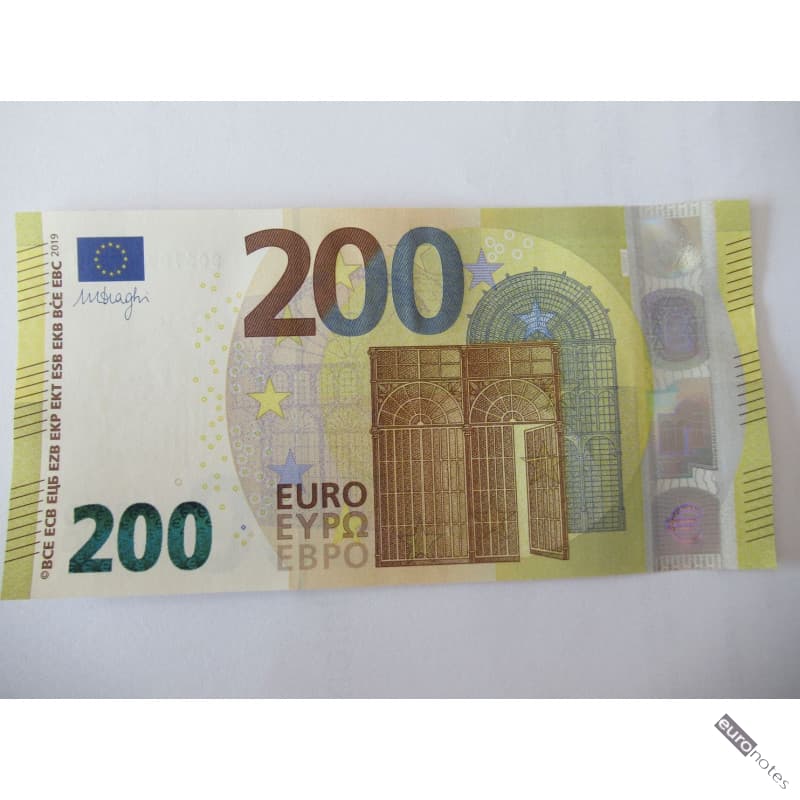
€200 Euro Banknote (AAA+ Grade)
Discover high quality replicas of 200 Euro banknotes of impressive AAA+ quality with gravure printing, unique watermarks, security thread, transparent register, special foils, iridescent stripes, and individual serial numbers.